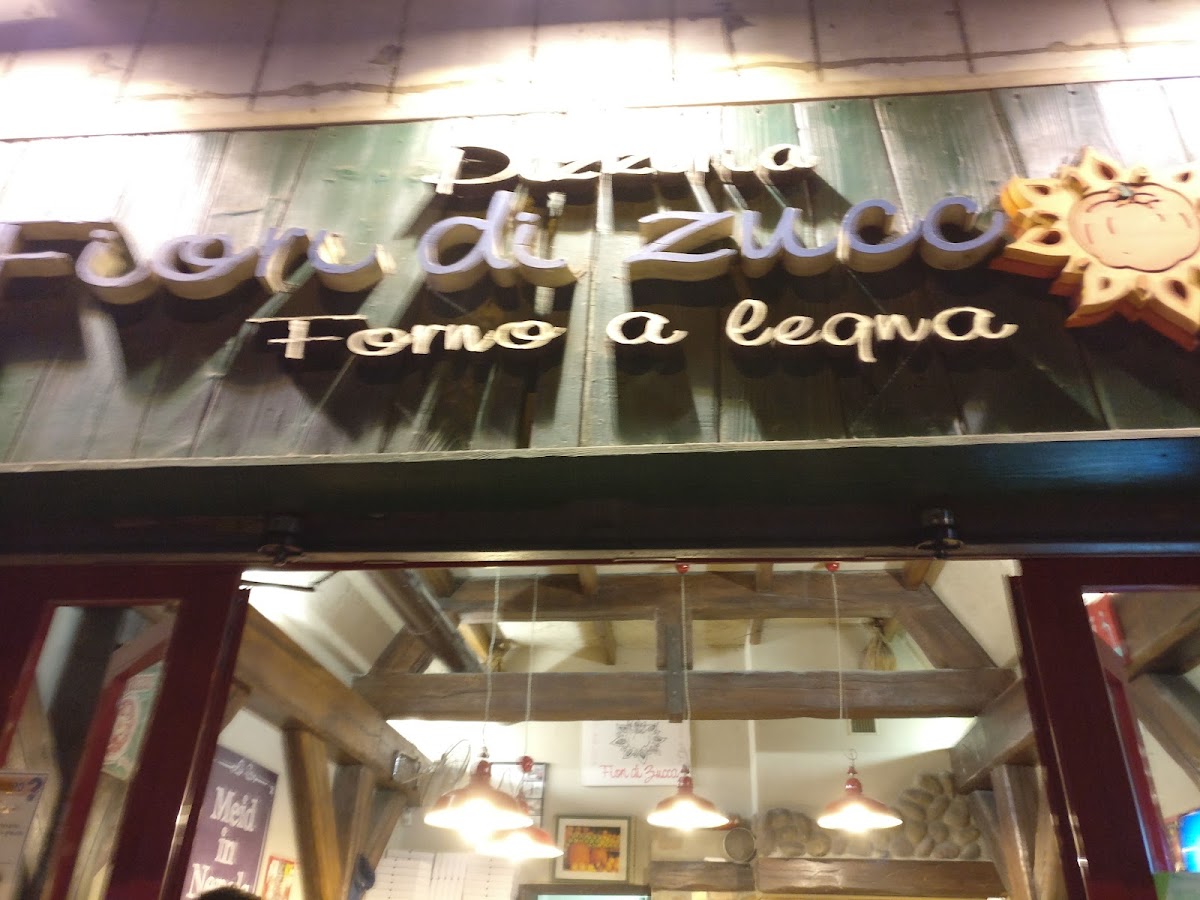
This is great fastfood pizza baked in front of you directly from a stone oven. It is a budget pizzeria but as tasty as any other pizza if eaten straight from the box.
Overview
Walking into Pizzeria Fiori Di Zucca on Via Arturo Graf in Rome feels like stepping into a neighborhood spot that locals quietly protect as their own. I’ve eaten my way through plenty of pizzerias across the city, from tourist-heavy slices near the landmarks to tiny bakeries hidden down residential streets, and this place sits comfortably in that sweet middle ground where quality, routine, and authenticity meet. The aroma alone says a lot: slow-fermented dough hitting a hot oven, tomato sauce that smells fresh rather than sharp, and olive oil used with intention, not decoration.
The menu reads like it was written by someone who actually cooks the food instead of chasing trends. You’ll find classic Roman pizzas alongside combinations that feel thoughtful rather than flashy. The name itself nods to zucchini flowers, a Roman staple, and when they’re in season, the kitchen treats them with respect-lightly cooked, never greasy, paired with mozzarella that melts evenly and doesn’t drown the base. Over the years, Italian food researchers from organizations like the Accademia Italiana della Cucina have highlighted how ingredient balance defines great pizza more than complexity, and this approach is very much alive here.
From experience, what really stands out is the dough. It’s airy but structured, with just enough chew to hold toppings without collapsing. Studies published by Italian baking institutes show that longer fermentation times improve digestibility and flavor, and while no one behind the counter is lecturing you about percentages, the result speaks for itself. After eating here, I never walk away with that heavy feeling some pizzas leave behind, which tells me the process is done properly.
The location plays a big role in the overall vibe. Sitting in a quieter Roman neighborhood means the crowd is a mix of families, couples, and regulars who clearly know what they’re ordering before they sit down. Reviews from locals often mention consistency, and that’s something I value more than novelty. When I ordered the same pizza months apart, the texture and flavor barely changed, which is surprisingly rare even in Rome.
I once chatted briefly with a staff member about sourcing, and while they kept it casual, they mentioned sticking to trusted regional suppliers for flour and dairy. That lines up with guidance from Italian culinary associations that encourage small restaurants to focus on local supply chains for freshness and traceability. It also builds trust as a diner, knowing the food hasn’t traveled halfway across Europe to land on your plate.
Service here feels unforced. Orders come out steadily, questions about the menu are answered without upselling, and there’s a rhythm to the dining room that suggests experience rather than rush. Coffee and drinks are handled with the same care as the food, making it an easy place to linger if you’re not in a hurry.
That said, it’s worth being honest about a small limitation. This isn’t the place to expect experimental toppings or elaborate plating. If someone is hunting for modern reinterpretations or gourmet twists, they might find the menu straightforward. But for anyone who values technique, balance, and a genuine Roman feel, that simplicity becomes a strength.
Over time, this pizzeria has earned its reputation quietly, through repeat visits rather than hype. The combination of a reliable menu, a welcoming location, and pizza made with real attention to process keeps it firmly on my personal list of places I recommend when friends ask where Romans actually eat pizza.
Good to know
Service options
✓ Delivery ✓ Takeaway ✓ Dine-inPopular for
✓ Dinner ✓ Solo diningAccessibility
✓ Wheelchair-accessible entrance ✓ Wheelchair-accessible seatingOfferings
✓ Alcohol ✓ Beer ✓ Late-night foodDining options
✓ Dinner ✓ Table serviceAmenities
✓ ToiletAtmosphere
✓ Casual ✓ QuietCrowd
✓ University studentsPlanning
✓ Accepts reservationsPayments
✓ Credit cards ✓ Debit cards ✓ NFC mobile payments ✓ Credit cardsParking
✓ Free of charge street parkingPhotos
1 / 4
Location
Reviews
- No ratings yet 219 reviews
Pizzeria unicamente da asporto che comincia ad avere piccole vene storiche all'interno del quartiere. Di base la pizza è buona, anche se bisogna ammettere che la qualità è altalenante e dipendente dalla serata, spesso le pizze vengono bruciate troppo (talvolta con anche metà pizza che risulta immangiabile) e l'impasto nel tempo ha subito molte variazioni, a mio parere in peggio, risultando spesso morbido ma gommoso. C'è molta scelta nel menù, sia di pizze che di fritti. Fritti nella norma con una panatura un po' debole e gusto poco incisivo. I panini anche questi nella media non riescono a risplendere seppur siano unici nella forma e negli ingredienti rispetto agli altri paninari nei dintorni. Il servizio è rapido e i ragazzi che lavorano sono tutti in gamba e sorridenti. Se non avete voglia di spostarvi troppo o non avete troppe pretese è sicuramente un buon porto a cui attraccare. In sostanza il locale può avere ampio margine di miglioramento ma il personale deve avere voglia di rimettersi in gioco, essere conosciuti non basta a mantenere salda la clientela.
Prima volta ad ordinare la pizza da loro. Pizza di una bontà unica patate fritte buonissime, rimaste croccanti nonostante con il calore e chiuse nella busta tendano a diventare lesse (in qualsiasi altra pizzeria). Il ragazzo ha consegnato in perfetto orario ed in più è stato molto gentile. Ordinerò di nuovo da loro.